
When Life Changes in an Instant: Understanding Your Legal Options After Paralysis
A paralysis injury lawyer specializes in helping victims of catastrophic spinal cord and brain injuries secure compensation. These attorneys investigate the accident, prove negligence, calculate damages, and advocate for maximum recovery through settlement negotiations or trial.
A paralysis injury changes everything. According to the Christopher & Dana Reeve Foundation, nearly 1 in 50 people in the United States lives with some form of paralysis.
For families in Virginia, the financial impact is staggering. The Christopher & Dana Reeve Foundation reports that people with severe paralysis can expect over $1 million in medical expenses in the first year alone, with lifetime costs running into the millions.
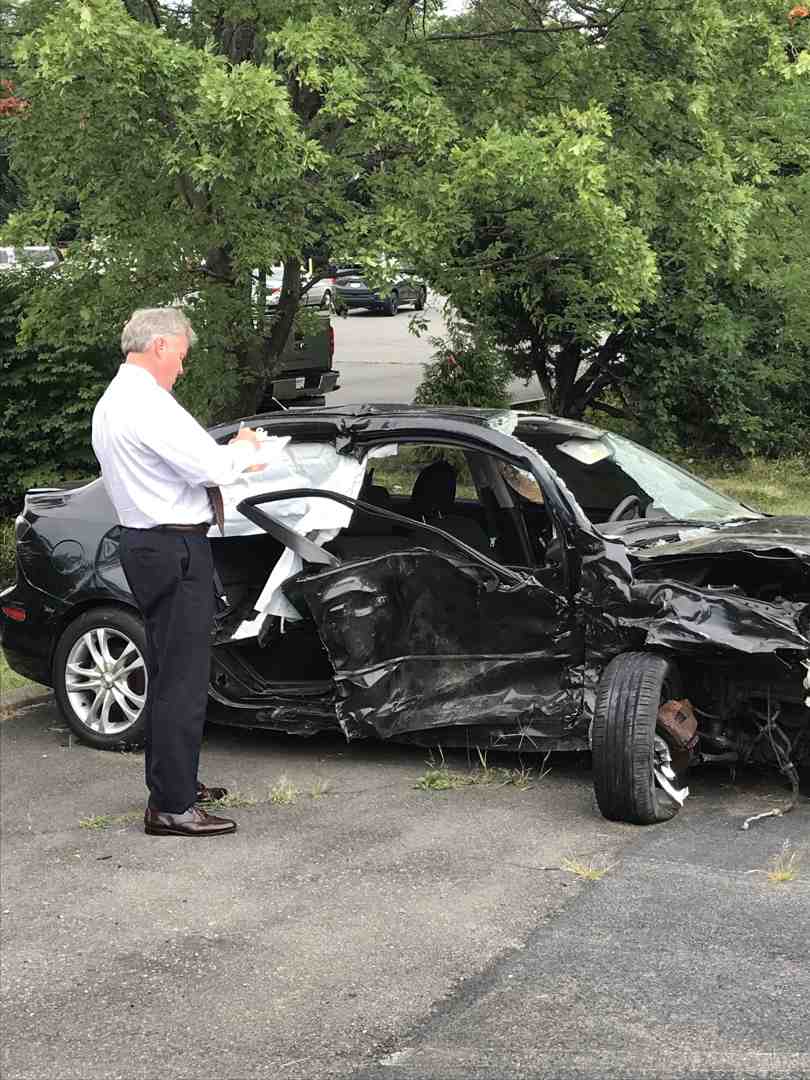
Paralysis affects every aspect of daily life, from basic movement to employment, independence, and emotional well-being. Paralysis can result from someone else’s negligence, whether through a car accident, a construction site incident, or medical malpractice.
This is where a specialized paralysis injury lawyer becomes essential. These cases involve complex medical evidence and insurance companies striving to minimize payouts. Without experienced legal representation, paralysis victims often settle for far less than they need to rebuild their lives.
Understanding Paralysis and Its Lifelong Impacts
Paralysis is a life-altering condition involving the loss of muscle function. It is typically caused by damage to the central nervous system, such as the brain or spinal cord, which disrupts the signals between the brain and the body’s muscles.
Spinal cord injuries are a leading cause of paralysis. These can result from traumatic events that bruise, compress, or sever the spinal cord. Traumatic brain injuries can also cause paralysis if they damage areas of the brain that control motor function.
Types of Paralysis
The types of paralysis are classified by the area of the body affected: monoplegia (one limb), hemiplegia (one side of the body), paraplegia (the lower body), and quadriplegia or tetraplegia (all four limbs and torso).
Paralysis is also classified as complete or incomplete. A complete injury involves a total loss of function and sensation below the injury site, while an incomplete injury means some function or sensation remains.
The Far-Reaching Consequences
The consequences of paralysis are profound. Individuals often face numerous long-term health complications, chronic pain, and significant emotional and psychological distress. Families also bear a heavy burden, facing staggering medical costs and the demands of providing long-term care.
Proving Negligence in a Virginia Paralysis Claim
When paralysis results from someone else’s carelessness, Virginia law allows victims to seek compensation by proving negligence. Common causes of paralysis that may involve negligence include:
- Car Accidents: Vehicular collisions are a leading cause of paralysis, often resulting from distracted or reckless driving on Virginia’s roads.
- Falls: Falls are another common cause, including slip and falls on unsafe property or falls at construction sites.
- Workplace Accidents: Dangerous work environments, such as construction sites or factories, can lead to spinal cord injuries if safety rules are ignored.
- Medical Malpractice: Surgical errors, misdiagnosis, or other mistakes by healthcare providers can result in nerve damage and paralysis.
- Nursing Home Neglect: Neglect in a nursing home, such as failing to prevent falls, can cause residents to suffer injuries leading to paralysis.
The Four Elements of Negligence
To prove negligence in a Virginia court, a lawyer must establish four key legal elements:
- Duty of Care: The at-fault party owed a legal duty to act with reasonable care.
- Breach of Duty: The party failed to meet that duty, for example, by texting while driving.
- Causation: This failure directly caused the paralysis injury.
- Damages: The victim suffered actual losses, like medical bills and lost wages.
Virginia’s Contributory Negligence Rule
Crucially, Virginia operates under a strict contributory negligence rule. This means that if the injured party is found to be even 1% at fault for their own injury, they are completely barred from recovering any compensation. This is a significant hurdle for victims in Virginia, highlighting why experienced legal representation is often essential.
The Role of a Paralysis Lawyer and Calculating Your Claim’s Value
Navigating a paralysis injury claim in Virginia requires specialized legal expertise. A paralysis injury lawyer handles the complex legal process, allowing you and your family to focus on recovery.
Building Your Case
A lawyer builds your case by investigating the accident, gathering evidence, and proving negligence. They also handle all communications with insurance companies to protect you from unfair settlement tactics.
What Compensation Can Be Recovered?
A claim’s value is not just about current medical bills. Compensation is sought for all economic and non-economic damages to potentially cover lifelong needs.
Economic damages are designed to cover all verifiable financial losses:
- Medical Expenses: Emergency treatment, surgeries, hospital stays, and ongoing care.
- Rehabilitation Costs: Physical, occupational, and speech therapy.
- Lost Income and Earning Capacity: Current lost wages and loss of future earning potential.
- Home and Vehicle Modifications: Ramps, accessible bathrooms, and adapted vehicles.
- Assistive Devices: Wheelchairs, mobility scooters, and other necessary equipment.
Non-economic damages address the profound personal and emotional toll:
- Pain and Suffering: For the physical pain and discomfort endured.
- Emotional Distress: For psychological trauma, anxiety, and depression.
- Loss of Enjoyment of Life: For the inability to participate in hobbies and activities.
What Compensation Can Be Recovered for a Paralysis Injury?
When we pursue a paralysis injury claim in Virginia, our goal is to recover comprehensive compensation that addresses every aspect of your losses, both financial and personal. The costs associated with living with paralysis are extensive and lifelong, making it crucial to secure a settlement or verdict that truly covers your needs.
Economic damages are designed to cover all verifiable financial losses:
- Medical Expenses: This includes emergency treatment at facilities like Winchester Medical Center, surgeries, hospital stays, medications, and ongoing medical care. The costs of treating traumatic brain injuries, which can often accompany spinal cord injuries, are also significant. Our page on Treating Traumatic Brain Injury Cost provides further insight.
- Rehabilitation Costs: Extensive physical therapy, occupational therapy, speech therapy, and specialized rehabilitation programs are vital for maximizing recovery and adapting to new challenges.
- Lost Income and Earning Capacity: Paralysis often prevents individuals from returning to work, resulting in lost wages.
- Home and Vehicle Modifications: To maintain independence, homes often require modifications such as ramps, widened doorways, accessible bathrooms, and smart home technology. Vehicles may need to be adapted for wheelchair access or hand controls.
- Assistive Devices: This includes the cost of wheelchairs, mobility scooters, prosthetics, adaptive sports equipment, and other devices that improve mobility and quality of life.
Non-economic damages address the profound personal and emotional toll:
- Pain and Suffering: Compensation for the physical pain, discomfort, and inconvenience caused by the injury.
- Emotional Distress: Acknowledging the psychological trauma, anxiety, depression, and mental anguish that often accompany paralysis.
- Loss of Enjoyment of Life: Compensation for the inability to participate in hobbies, social activities, and other aspects of life that brought joy and fulfillment before the injury.
Critical Steps to Take After a Paralysis Injury in Virginia
Suffering a paralysis injury is a traumatic event, but the actions you take immediately afterward can significantly impact your health and any potential legal claim in Virginia.
- Seek Immediate Medical Care: Your health is paramount. Get immediate medical attention for any suspected spinal cord injury to ensure proper diagnosis and create a medical record.
- Follow All Treatment Plans: Adhere to your doctors’ recommendations. Not doing so can harm your recovery and your legal claim.
- Preserve Evidence: If possible, take photos of the scene and get witness contact information. Secure the police report.
- Document Everything: Keep records of all medical appointments and expenses. Journal your daily pain and limitations.
- Avoid Speaking with Insurance Adjusters: Do not give recorded statements to insurers or sign any documents without legal review. Refer them to your attorney.
- Refrain from Social Media Posts: Avoid posting about your accident or recovery online, as insurance companies can use your posts against your claim.
Why You Need a Paralysis Injury Lawyer Immediately
Contacting a paralysis injury lawyer immediately is critical due to Virginia’s complex laws, like the contributory negligence rule. In Virginia, you generally have two years from the date of injury to file a personal injury lawsuit. Building a strong paralysis case is complex and requires immediate action to preserve evidence and meet legal deadlines.
An attorney can begin working on your behalf right away, protecting you from insurance adjusters and preventing costly mistakes. Having a lawyer on your side from the start allows you to focus on your recovery, confident that your legal rights are being protected.
Frequently Asked Questions about Paralysis Injury Claims
We understand that a paralysis injury brings many questions. Here are answers to some common concerns our clients in Virginia have:
What is the difference between complete and incomplete spinal cord injuries?
A complete spinal cord injury involves a total loss of motor function and sensation below the injury level, as signals cannot pass through the damaged area. An incomplete spinal cord injury means some function or sensation remains, as the cord is not entirely severed, offering a greater potential for recovery.
How does Virginia’s contributory negligence rule affect my case?
Virginia follows a strict legal rule known as contributory negligence. This rule states that if you are found to have contributed to your injury in any way, even just 1%, you are completely barred from recovering any compensation. This harsh rule makes experienced legal representation in Virginia essential to prove the other party was 100% at fault.
Conclusion: Rebuilding Your Future with the Right Legal Partner
A paralysis injury is a catastrophic event that presents immense physical, emotional, and financial challenges for individuals and families across Virginia. When such an injury is the result of another’s negligence, seeking compensation is a necessity to rebuild a secure future.
An experienced paralysis injury lawyer can navigate Virginia’s complex legal system, from proving negligence to advocating for your maximum recovery. You do not have to face this overwhelming journey alone. Taking the first step to understand your legal options can make all the difference.
Contact a Winchester personal injury attorney for a free consultation today to discuss your case and learn how we can help you secure the resources you need for a lifetime of care and a renewed sense of hope.