
Virginia Personal Injury Firm: Essential Criteria for Selecting Your Legal Representative
A Virginia personal injury firm can help make the first few days after a serious injury feel less confusing. Bills pile up on the counter. Your phone rings constantly with calls from insurance adjusters. You’re missing work, hurting, and wondering what comes next.
A helpful Personal Injury Attorney keeps things plain and straightforward. You need an attorney who listens, gives an honest assessment of your situation, and explains local court procedures in normal English.
Evaluating Attorney Credentials and Client Reputation
Billboard ads and catchy TV slogans don’t tell you how a firm treats real people. Look at actual client experiences and case histories instead.
Pay attention to how former clients describe the legal team’s communication. Did the attorney return calls and emails promptly, walk the client through each step of the claim, and stay upfront about costs and legal expectations? Those details often tell you more than an advertisement ever will.
You can read real experiences from people we’ve helped on our Testimonials page and see past case results on our Results page.
Local Practice Focus in Richmond and Midlothian
Local experience matters. Filing rules, court customs, and judges’ expectations differ across places like Richmond, Petersburg, Midlothian, Hopewell, and Orange. A team that works in these courtrooms regularly knows how local adjusters evaluate claims and how local courts handle evidence.
Whether your injury happened in Central Virginia or Northern Virginia, local legal knowledge gives your claim a strong head start. Take a look at our Locations page to find an office nearby.
Traits of a Proven Virginia Personal Injury Firm

A practical Virginia personal injury firm steps right between you and the insurance adjusters. Insurers handle injury claims daily. They use well-tested playbooks to reduce what they pay out. Having a skilled legal advocate in your corner changes that balance.
Working with an established team at Personal Injury Lawyers Virginia keeps your claim focused on clear evidence, accurate medical documentation, and practical legal steps.
Fee Structures Used by a Virginia Personal Injury Firm
Legal fees shouldn’t be confusing. Most personal injury firms work on a contingency fee setup. You do not pay upfront retainers or out-of-pocket legal fees. The attorney fee is a set percentage of the settlement or court award you receive, and if you do not recover money, you do not owe legal fees.
Ask about case expenses early on. Things like court filing fees, medical record copies, and expert testimony costs come out of the final recovery, so clear upfront answers keep everything transparent.
How a Virginia Personal Injury Firm Manages Insurance Settlement Negotiations
Insurance adjusters often call quickly after a crash. They ask for recorded statements or offer fast cash settlements before you even know the full extent of your injuries.
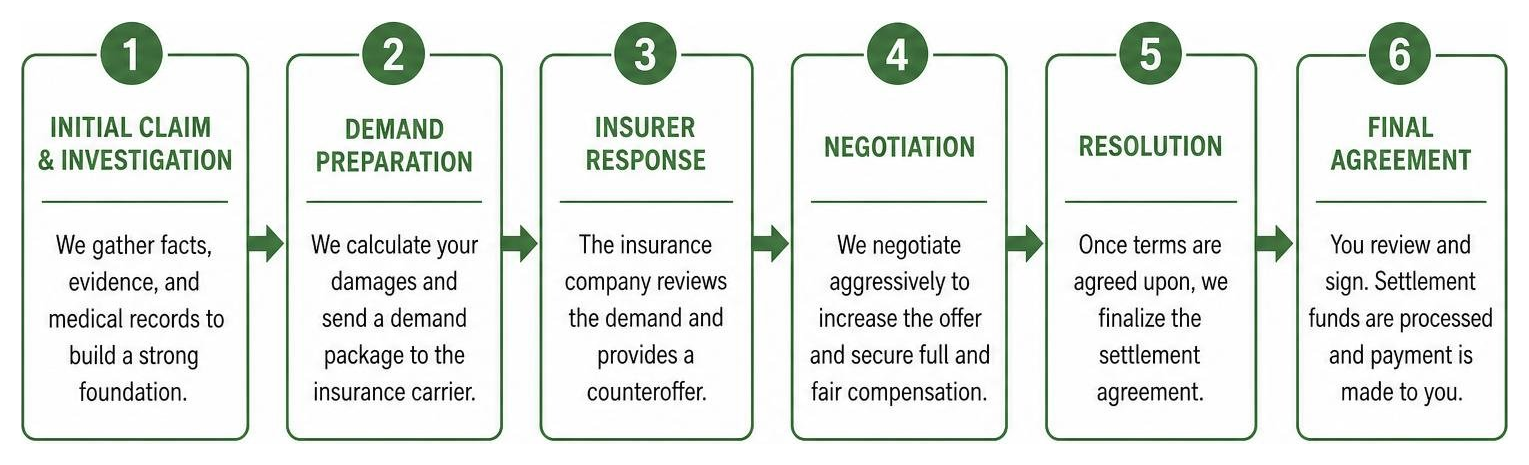
When we handle negotiations, we take over calls, emails, and paperwork from the insurance company so you can focus on treatment. We collect medical bills, treatment plans, and proof of missed work, then estimate future care costs so you do not get stuck paying later. If the insurer makes a quick lowball offer or tries to shift unfair blame onto you, we push back with the evidence.
Critical Virginia Personal Injury Laws and Deadlines
Virginia legal rules differ significantly from neighboring jurisdictions. Knowing these state rules is essential to protecting your right to monetary recovery.
| Legal Concept | Virginia Standard | Impact on Your Claim |
|---|---|---|
| Fault Standard | Strict Contributory Negligence | If you share even 1% of the blame, you cannot recover damages. |
| Filing Deadline | Two-Year Statute of Limitations | Claims must be filed in court within two years of the injury date. |
| Wrongful Death Out-of-State | Jurisdictional Co-Counsel Rule | If a wrongful death occurs in a neighboring state, we locate local co-counsel to assist. |
The Impact of Strict Contributory Negligence
Most states follow comparative fault rules, allowing an injured person to collect partial damages even if they contributed slightly to an accident. Virginia does not. Under Virginia’s strict contributory negligence doctrine, if an insurance carrier proves you were even 1% at fault for the incident, you are completely barred from recovering any financial damages.
Because insurance adjusters frequently use this strict legal rule to deny valid claims, early investigation and evidence preservation are critical. We gather police reports, witness statements, video footage, and physical evidence immediately to protect you against unfair allegations of shared blame.
The Two-Year Statute of Limitations Standard
Time is a critical factor in personal injury law. In Virginia, the statute of limitations for personal injury and wrongful death actions is strictly two years from the date of the injury or death. Failing to file a lawsuit before this strict window closes forfeits your legal right to compensation permanently.
For a comprehensive breakdown of relevant legal time limits, consult our Virginia Personal Injury Attorney Guide 2026.
Types of Injury Claims and Recoverable Damages
Personal injury law addresses a wide variety of unexpected life disruptions. Whether an injury happens during a morning commute on U.S. Route 60 in Midlothian or inside a commercial business in Petersburg, injured individuals face sudden financial and physical burdens.
Common Personal Injury Cases Handled
Our practice handles many civil injury matters across Virginia, including motor vehicle accidents, dog bites, premises liability claims, and wrongful death cases. That can mean a car crash, truck collision, motorcycle accident, distracted driving incident, pedestrian strike, serious animal attack, unsafe store condition, or fatal accident that leaves a family looking for answers.
When a wrongful death occurs in a neighboring state, we coordinate with trusted co-counsel in that jurisdiction to ensure complete legal coverage.
Understanding Compensatory Damages and Case Timelines
Victims of serious accidents can seek economic and non-economic compensatory damages under Virginia law.
Economic damages cover direct, measurable financial losses. These may include past and ongoing medical bills, lost wages, missed income, reduced earning capacity from a long-term disability, rehabilitation, and physical therapy expenses.
Non-economic damages cover human impacts, such as physical pain, mental anguish, permanent disfigurement, and loss of enjoyment of life. To learn more about our firm’s long history of helping injured clients pursue these damages, visit our About page.
Immediate Steps to Take After an Injury in Virginia
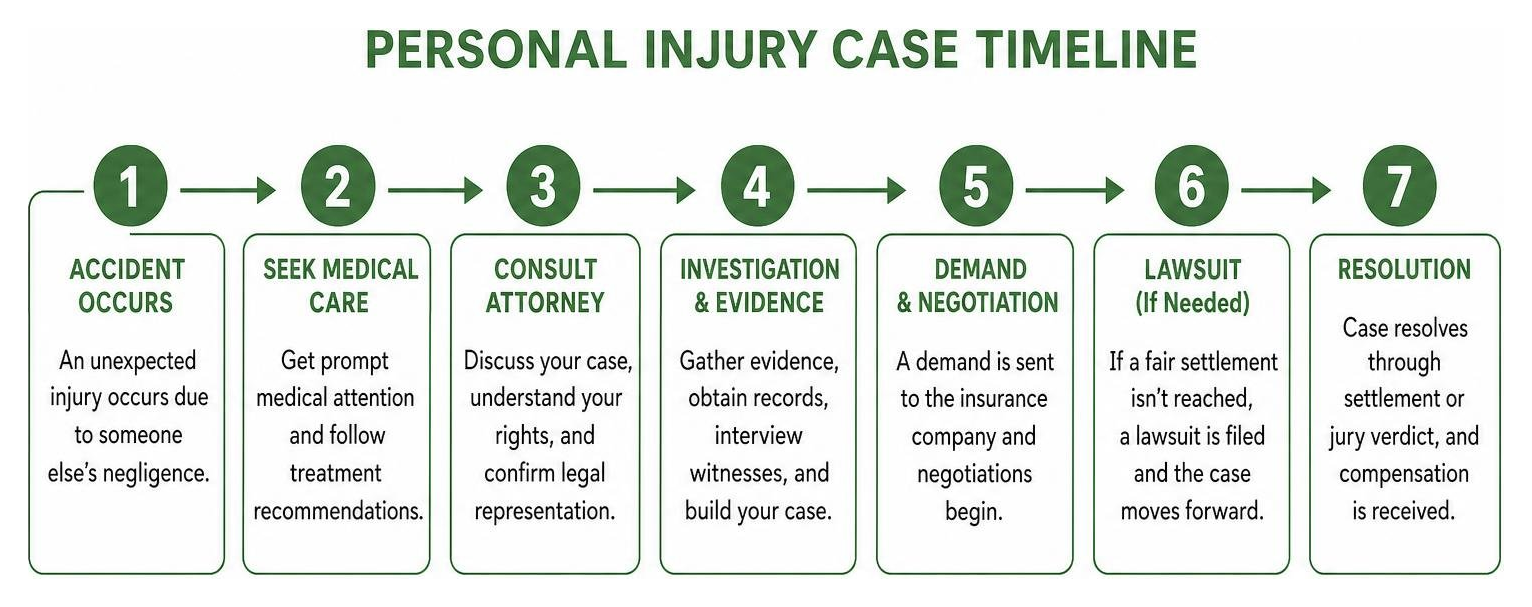
Taking the right practical steps immediately following an accident strengthens your health recovery and your legal position.
Start by seeking medical attention right away, whether that means going to an emergency room, urgent care center, or primary physician. Prompt medical documentation helps connect the accident to your injuries. Report the incident as well, either by calling local law enforcement for a crash report or notifying business management if you were hurt on commercial property.
If you can do so safely, document the scene before conditions change. Photos of vehicle damage, road hazards, physical injuries, and weather conditions can become important later. It also helps to gather names, phone numbers, and contact details for anyone who witnessed the event.
Before giving a recorded statement to an insurance company, consider speaking with legal counsel. Adjusters may sound friendly, but their questions can affect your claim. An experienced legal team can help protect your rights under Virginia’s strict rules. You can reach out directly on our Contact page.
Frequently Asked Questions About Hiring Legal Counsel
What happens if I am found even 1% at fault for my accident in Virginia?
Because Virginia follows the strict contributory negligence standard, proving even 1% fault against you acts as a complete bar to financial recovery. That is why it is essential to involve legal counsel before giving statements to insurance adjusters, as they often attempt to use your own words to assign partial blame.
How long does a typical Virginia personal injury case take to resolve?
Case timelines vary depending on medical treatment duration, case complexity, and insurance company responsiveness. A straightforward claim settled out of court may take several months following the completion of your medical care, while complex cases requiring litigation and trial in court can take a year or longer.
What should I bring to my first meeting with a personal injury lawyer?
Bring anything that helps tell the story of what happened. Police or crash reports, contact details for involved parties and witnesses, medical records, discharge papers, health insurance information, accident photos, injury photos, videos, and letters or emails from insurance companies can all help the attorney understand your situation more quickly.
Conclusion
Choosing the right legal partner makes all the difference when recovering from a serious injury. Understanding Virginia’s unique legal standards, including the strict contributory negligence rule and the two-year statute of limitations, helps you make informed choices that protect your future.
At Burnett & Williams PC, we bring local experience across Richmond, Midlothian, Petersburg, Leesburg, Winchester, Culpeper, Hopewell, and Orange to every claim we manage. If you or a loved one have suffered an injury and need clear answers, reach out to our team today through our Richmond Personal Injury Attorney Location page to schedule a free case evaluation.