
Why Personal Injury Claim Help is Critical After a Virginia Accident
Personal injury claim help is essential after an accident that wasn’t your fault. Facing medical bills, lost wages, and insurance paperwork alone can be overwhelming. Proper assistance can be the difference between fair compensation and financial hardship.
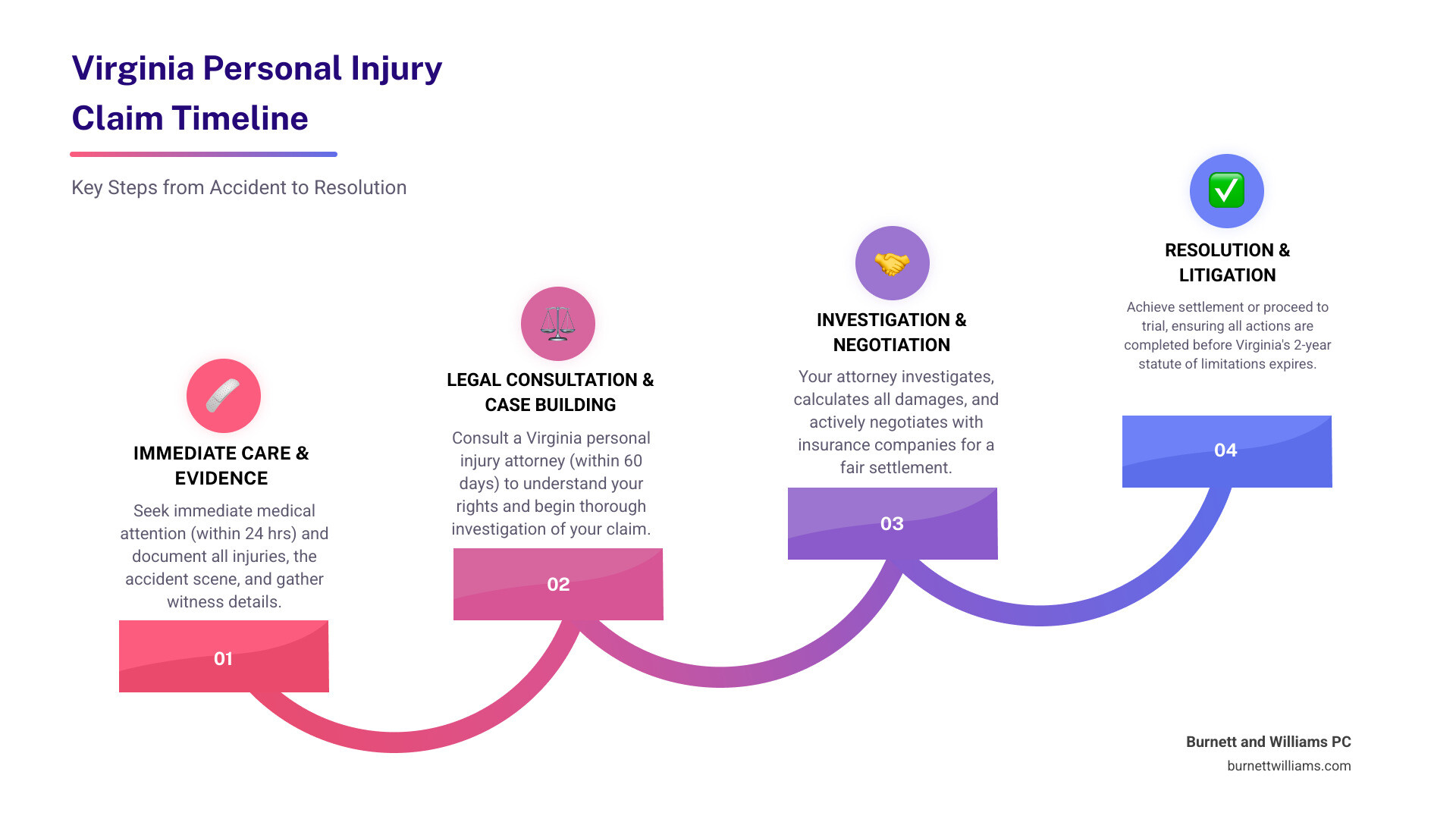
If you need immediate personal injury claim help in Virginia, take these first steps:
- Seek medical attention immediately.
- Document everything: photos, witness info, police reports.
- Contact your insurance company, but be careful what you say.
- Keep detailed records of bills, lost wages, and pain.
- Don’t accept quick, low settlement offers.
- Consult a Virginia personal injury attorney.
Insurance companies have teams working to pay you as little as possible. Virginia’s laws add another challenge with the strict contributory negligence rule. If you are found even 1% at fault, you could be barred from receiving any compensation. An experienced attorney protects your rights and helps you steer this complex system to secure the compensation you deserve.
First Steps After an Injury: Protecting Your Health and Your Rights
After an accident, your priority is your health. Seek medical attention immediately, even if you feel fine. Some serious injuries, like concussions or internal damage, may not have immediate symptoms. A prompt medical evaluation creates an official record that directly links your injuries to the incident, which is a critical foundation for your claim.
Once you have addressed your medical needs, focus on gathering evidence. Memories fade and accident scenes are cleaned up quickly, so documenting everything is vital. Use your phone to take photos of vehicle damage, the surrounding area, skid marks, traffic signals, and any visible injuries.

Collect contact information from any witnesses. Their accounts can provide an unbiased perspective of what happened. Also, obtain a copy of the official police report and review it for accuracy. If you find errors, you can request a correction or add a supplemental report.
Finally, start a file for all accident-related documents. Keep every medical bill, receipt, and record of missed work. We also recommend keeping a daily pain journal to track your physical and emotional struggles. This detailed evidence will be invaluable when demonstrating the full impact the accident has had on your life.
Understanding Your Virginia Personal Injury Claim
In Virginia, you generally have two years from the date of the injury to file a personal injury lawsuit. This deadline, known as the statute of limitations, is strict. If you miss it, you will likely lose your right to seek compensation, regardless of the severity of your injuries. Acting quickly is crucial to preserve evidence and build a strong case.
How Fault is Determined Under Virginia’s Strict Contributory Negligence Rule
Virginia follows a harsh fault rule known as strict contributory negligence. Under this doctrine, if you are found to be even 1% at fault for the accident that caused your injuries, you are barred from recovering any compensation from the other party. Insurance companies use this rule to their advantage, looking for any reason to shift a small amount of blame onto you to deny your claim entirely.
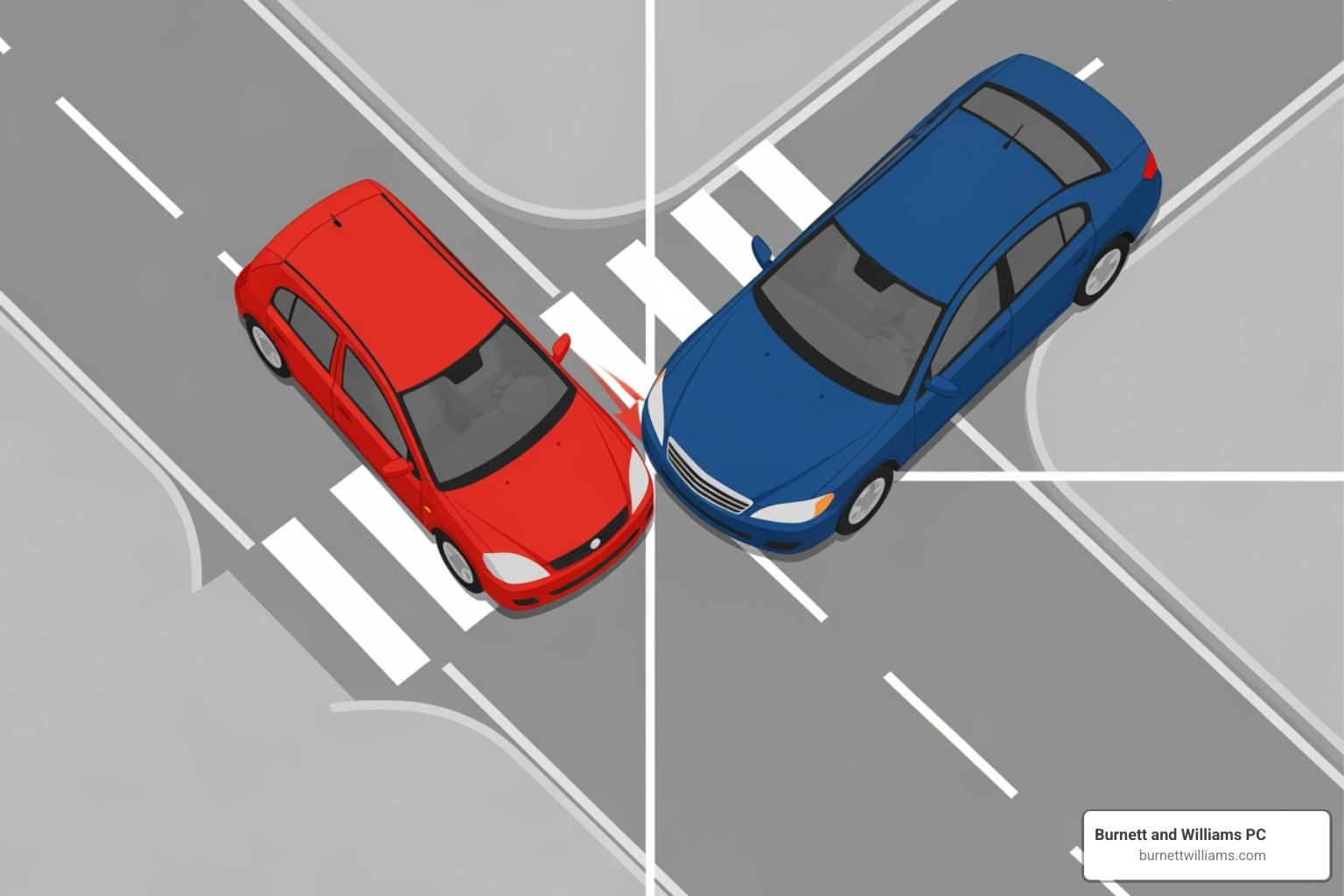
To win your case, your attorney must prove the other party was negligent. This involves establishing they owed you a duty of care, breached that duty, and that their actions directly caused your documented damages, such as medical bills and lost wages.
Common Types of Personal Injury Cases in Virginia
Personal injury law covers many situations where negligence causes harm. The most common cases we handle include:
- Car and truck accidents: Collisions involving passenger vehicles, commercial trucks, and motorcycles.
- Premises liability: Incidents like slip and falls in stores or on poorly maintained property.
- Wrongful death: Claims filed by family members when negligence leads to a fatality.
- Medical malpractice: Harm caused by the error of a healthcare professional.
The Claims Process: Dealing with Insurance and Valuing Your Case in Virginia
After an accident, you will likely deal with insurance companies. Their goal is to protect their profits, not to provide you with full compensation. Adjusters are trained negotiators who may seem friendly but will use tactics to minimize your claim’s value.
Be cautious of requests for a recorded statement, as your words can be used against you. Also, be wary of quick settlement offers. These initial offers are almost always far less than what your claim is truly worth and are made in the hope that you will accept fast cash before understanding the full extent of your damages.
What Types of Damages Can You Claim in Virginia?
In a Virginia personal injury claim, you can seek compensation for various losses, known as damages. These include:
- Economic Damages: Tangible financial losses like current and future medical bills, lost wages, reduced earning capacity, and property damage.
- Non-Economic Damages: Intangible losses such as physical pain, emotional distress, and loss of enjoyment of life.
In rare cases involving particularly reckless behavior, Virginia courts may also award punitive damages. These are intended to punish the wrongdoer and deter similar conduct in the future.
What to Do If the Insurance Company Denies Your Virginia Claim

If the insurance company denies your claim, it is not the end of the road. A denial can be challenged, but it often requires a strategic legal response. An attorney can review the denial, gather additional evidence to address the insurance company’s reasoning, and work to secure fair compensation on your behalf.
Getting Professional Personal Injury Claim Help in Virginia
While you can handle a very minor claim on your own, hiring a Virginia personal injury attorney is essential in many situations. You should seek legal counsel if you have suffered serious injuries, if the other party is disputing fault, or if the insurance company has made an unfair settlement offer.
How an Attorney Provides Personal Injury Claim Help in Virginia
An experienced attorney provides comprehensive support throughout the process. They will:
- Investigate Your Case: Gather all necessary evidence, including police reports, medical records, and witness statements.
- Calculate Your Damages: Accurately assess all your losses, including future medical needs and pain and suffering, to determine the true value of your claim.
- Negotiate with Insurers: Handle all communication with the insurance company and counter their tactics to secure a fair settlement.
- Represent You in Court: If a fair settlement cannot be reached, your attorney will be prepared to take your case to trial.
Most personal injury attorneys work on a contingency fee basis, meaning you pay no attorney fees unless you win your case. This allows you to get expert legal help without any upfront cost.
Conclusion
Recovering from an injury is difficult enough without the added stress of a legal battle. Virginia’s complex laws and the tactics of insurance companies can make it feel impossible to get fair compensation on your own.
The two-year statute of limitations means you cannot afford to wait. At Burnett & Williams PC, we provide the responsive, caring personal injury claim help you need. We serve communities throughout Virginia and are ready to stand by your side.
Contact us today for a free consultation to learn how we can help you focus on your recovery while we handle the legal process on your behalf.