
Why You Need a Virginia Brain Injury Lawyer
A brain injury lawyer is essential when someone else’s negligence causes trauma to your brain. These cases involve complex medical evidence, Virginia’s strict legal standards, and potentially millions in lifetime costs.
Key reasons to hire a brain injury attorney include:
- Proving negligence under Virginia’s harsh contributory negligence rule.
- Calculating true damages, including long term medical care.
- Handling insurance companies that try to minimize TBI claims.
- Preserving critical evidence and working within Virginia’s two-year statute of limitations.
When a brain injury turns your world upside down, the legal system can feel as overwhelming as your medical challenges. Virginia’s legal landscape makes these cases particularly complex. The state follows a strict contributory negligence rule, meaning if you are found even slightly at fault for your accident, you could lose your entire claim. This unforgiving standard makes experienced legal representation crucial from day one.
The financial stakes are enormous, as treating a single traumatic brain injury can have exorbitant costs. These injuries also affect families who often become caregivers, facing their own emotional and financial hardships. Virginia law provides a path to recovery, but navigating it requires an expert who can handle the legal burdens while you focus on healing.
Understanding the Scope of a Brain Injury
A brain injury is more than a physical wound; it can reshape an entire lifetime. As Virginia brain injury lawyers, we know that understanding the type and severity of the injury is the first step in handling the medical and legal challenges ahead.
Types of Brain Injuries
Brain injuries come in many forms. The most common is a traumatic brain injury (TBI), caused by a sudden blow, jolt, or penetrating injury that disrupts normal brain function. This can happen in a car accident on I-66 or a fall down stairs.
- Concussions, often called “mild” TBIs, can still cause lasting problems with memory, concentration, and mood.
- Contusions are bruises on the brain tissue itself, while diffuse axonal injury involves tearing of the brain’s connecting fibers, often from high-speed accidents on highways like Route 66.
- An open head injury means the skull was penetrated, while a closed head injury involves the brain moving inside an intact skull, common in falls and crashes.
Symptoms and Long-Term Effects
Brain injury symptoms can be tricky, as they may not appear immediately or match the severity of the initial impact. You might feel fine after an accident, only to develop serious problems later.
Immediate symptoms can include headaches, nausea, confusion, or slurred speech. However, a serious brain injury can occur without any loss of consciousness, a critical point that insurance companies may try to dispute.
Delayed symptoms like persistent headaches, personality changes, or memory problems can appear weeks later. This is why seeing a doctor after any head trauma is vital.
The long-term effects can be life-altering:
- Cognitive problems like memory loss and difficulty concentrating can end careers.
- Physical impairments may include chronic pain, balance issues, or seizures.
- Behavioral and emotional changes, such as irritability, depression, or anxiety, often hit families the hardest.
These combined effects lead to a “loss of enjoyment of life,” making simple pleasures difficult or impossible. Our article on the long-term side effects of traumatic brain injury offers more information for families facing these challenges.
Recognizing the full scope of a brain injury is critical for building a strong case in Virginia.
Establishing Liability for a Brain Injury in Virginia
Building a successful brain injury claim in Virginia means proving that someone else’s negligence directly caused your injury. This requires meeting specific legal standards and conducting a thorough investigation.
Common Causes of Brain Injuries
Brain injuries can happen in many ways, but certain scenarios are common in Virginia courts. Motor vehicle accidents are a leading cause, from collisions on I-66 in Loudoun County to truck crashes on Route 7. Falls on dangerous property, such as a wet floor in an Ashburn store or broken stairs at an apartment complex, are also frequent causes, accounting for many TBI hospitalizations according to the CDC’s data on TBI causes.
Other common causes include workplace incidents like falls or being struck by objects, sports injuries, medical malpractice, defective products, and assaults. Understanding how your injury occurred is the first step in identifying the responsible party.

Proving Negligence Under Virginia’s Strict Rules
To win your case in Virginia, you must prove four elements: the other party had a duty of care, they breached that duty, their breach caused your injury, and you suffered actual damages.
Virginia’s law presents a major challenge: the rule of contributory negligence. If you are found to have contributed to your accident in any way, even just 1%, you could be barred from recovering any compensation. This unforgiving standard means that even a minor fault on your part can prevent you from recovering any compensation, making strong legal help essential.
This rule makes a thorough investigation by your brain injury lawyer essential. Key evidence includes:
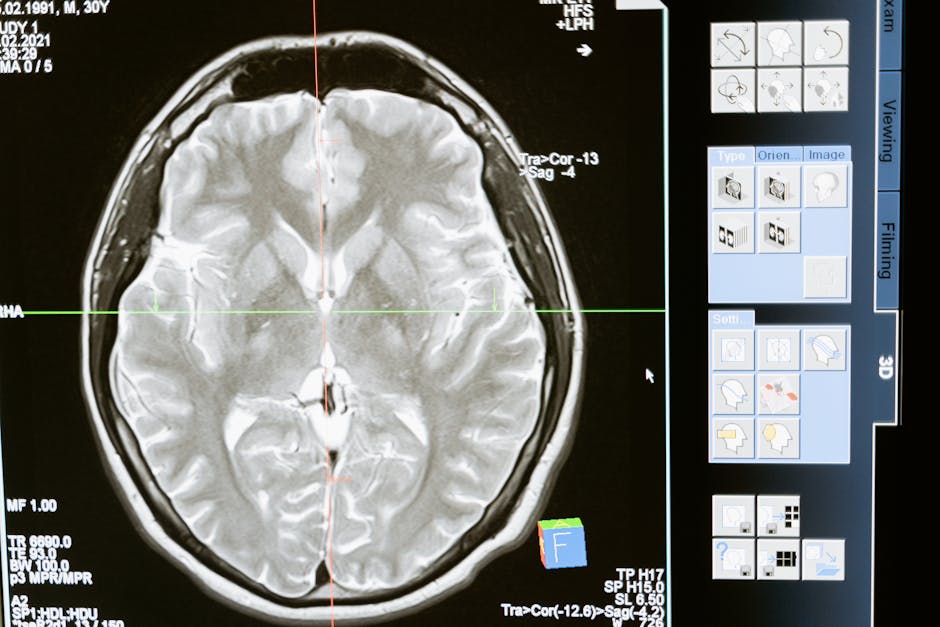
- Medical records and imaging like CT scans and MRIs to prove the injury’s existence and severity.
- Neuropsychological testing to provide objective data on cognitive problems.
- Witness statements and incident reports from police or employers.
- Expert testimony from medical specialists, accident reconstructionists, and vocational experts to explain your injuries and losses.
Given the high stakes and Virginia’s strict laws, experienced legal representation is critical to protect your rights and build a successful claim.
The Role of a Virginia Brain Injury Lawyer in Your Claim
Navigating a TBI claim while recovering is overwhelming. An experienced Virginia brain injury lawyer handles the complex legal burdens so you can focus on healing.
Why You Need an Experienced brain injury lawyer
A brain injury case is not a typical personal injury claim, as it involves complex medical details and potential future costs. An experienced attorney is vital.
Your lawyer will move quickly to preserve critical evidence like security footage, vehicle “black box” data, and witness statements before they disappear. They will also handle all communications with insurance adjusters, protecting you from tactics designed to minimize your claim. Insurers often seek recorded statements or offer quick, lowball settlements when you are most vulnerable.
Crucially, an attorney will calculate your case’s full value, which goes far beyond current medical bills. This includes future medical care, lost earning capacity, and the profound impact on your quality of life. They achieve this by hiring the right medical and financial experts, such as neurologists, life-care planners, and economists, who can explain the full extent of your damages to a jury.
An attorney also helps you avoid common mistakes, like gaps in medical treatment or harmful social media posts, that could jeopardize your claim. For more information, visit our page on Virginia Traumatic Brain Injury (TBI) Lawyers.
The Legal Process from Consultation to Resolution
The legal journey after a brain injury follows a structured path. It begins with a free initial consultation to assess your case and explain your options.
Once you hire us, we begin a thorough investigation, gathering records, interviewing witnesses, and consulting experts.
Next, we send a demand letter to the at-fault party’s insurer, outlining your case and requesting fair compensation. This often leads to negotiation. If a fair settlement cannot be reached, we are prepared to file a lawsuit in a Virginia court.
Filing a lawsuit begins the discovery process, where both sides exchange information. While most cases settle, we prepare every case for trial. This thorough preparation often results in better settlement offers because insurers know we are ready to take the case to court if need be.
Maximizing Your Compensation for a TBI
A brain injury’s true cost goes beyond initial hospital bills. A comprehensive claim must account for all current and future damages, as lifetime TBI care can be costly.
Calculating Economic and Non-Economic Damages
In Virginia, we fight for compensation for both tangible and intangible losses. Economic damages cover the direct financial costs of your injury:
- Current and future medical expenses, from the ER visit to decades of specialized care.
- Lost wages and earning capacity, accounting for income you’ve lost and will lose over your working life.
- Rehabilitation costs, including physical, occupational, speech, and vocational therapy.
Non-economic damages address the profound, personal losses that lack a price tag:
- Pain and suffering for the physical discomfort you endure.
- Emotional anguish, including depression, anxiety, and psychological trauma.
- Loss of enjoyment of life, for the inability to participate in hobbies and activities that once brought you joy.
In rare cases of extreme negligence, Virginia courts may also award punitive damages to punish the at-fault party.
The Importance of a Life-Care Plan
For moderate to severe TBI cases, a life-care plan is a critical tool. This detailed document, prepared by certified experts, maps out every projected need and cost for the rest of your life.
A life-care plan accounts for future medical needs, potential surgeries, in-home nursing care, and necessary home and vehicle modifications like wheelchair ramps or specially equipped vans. It also includes costs for vocational rehabilitation to help you find meaningful employment that accommodates your new abilities.

Frequently Asked Questions about Virginia Brain Injury Claims
We know you have many questions during this difficult time. Here are answers to some common concerns we hear from families across Virginia.
What is the statute of limitations for a brain injury claim in Virginia?
In Virginia, you generally have two years from the date of your injury to file a lawsuit. This deadline is strict, and missing it will likely bar your claim.
There are narrow exceptions, such as for minors, when an injury is discovered later, or for medical malpractice cases. Contact a brain injury lawyer promptly to protect your rights.
What should I do immediately after a suspected brain injury?
Your actions after an injury can impact your health and legal claim. First, seek immediate medical evaluation, as brain injury symptoms can be delayed. Second, report the incident to the proper authorities and get a copy of any report.
Third, document your symptoms and how they affect your daily life. Finally, do not give a recorded statement to an insurance adjuster before speaking with an attorney. Contact a lawyer as soon as possible to protect your rights.
How much does it cost to hire a brain injury lawyer?
Most Virginia personal injury firms, including ours, work on a contingency fee basis. This means you pay no upfront attorney fees. Our fee is a percentage of the compensation we recover for you through a settlement or verdict.
If we don’t win your case, you owe us no attorney fees. We often advance case expenses, like court filing and expert witness fees, which are reimbursed from the final award. This arrangement allows you to pursue justice without adding financial stress while you focus on recovery.
Your Path to Recovery Starts Here
The aftermath of a brain injury is an overwhelming journey, but you do not have to face it alone. A Virginia brain injury lawyer can help protect your rights under the Commonwealth’s strict contributory negligence rules and pursue the resources you need for long term care.
To understand your options and begin building your case, explore our pages on Virginia Traumatic Brain Injury (TBI) Lawyers and the Cost of Treating Traumatic Brain Injury. Your path to recovery and justice starts with a single call.